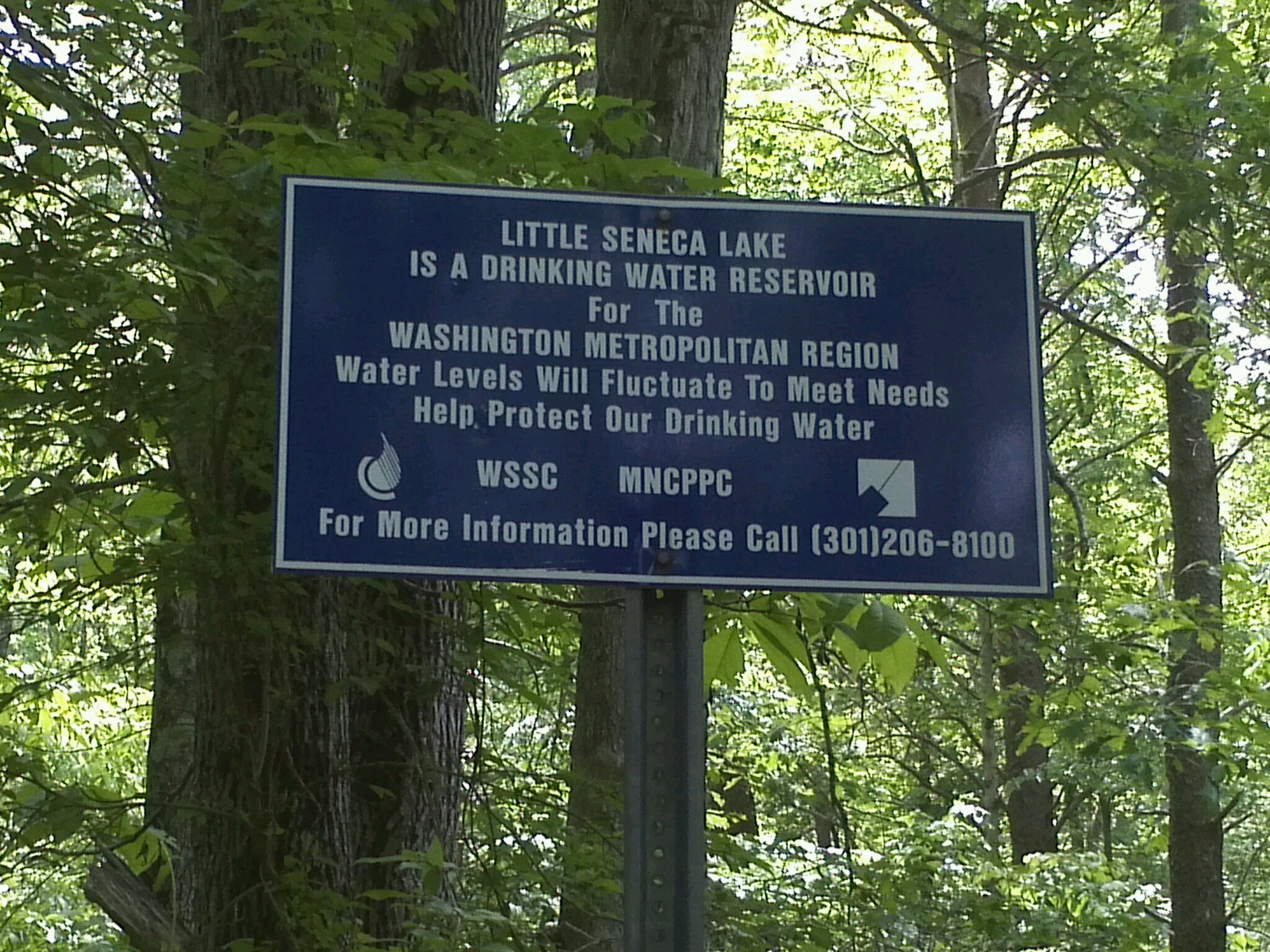
Action Alert: Speak up for the forests, streams, and clean drinking water of the Little Seneca Reservoir at the hearing on the Clarksburg Gateway Sector Plan, September 25, 2025
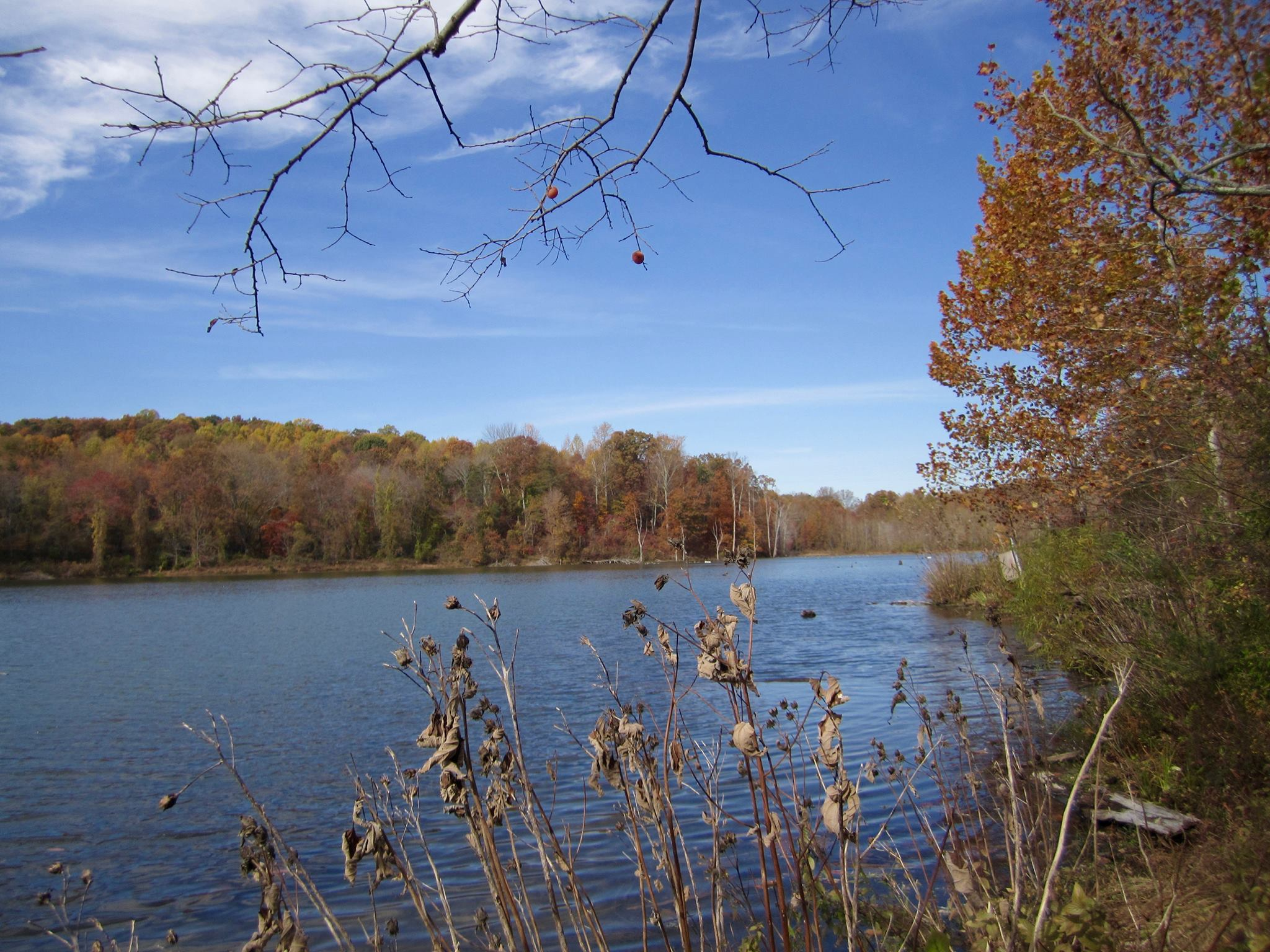
Little Seneca Reservoir
Over the last two years, The Friends of Ten Mile Creek and Little Seneca Reservoir (FOTMC) have been communicating our concerns with Montgomery County Planning staff regarding the development of the Clarksburg Gateway Sector Plan. A hearing on this plan is coming before the Planning Board on September 25th, and we would appreciate your support in helping us protect the Little Seneca Lake Watershed.
Montgomery County Planning Board will hold two public hearings on Thursday, September 25 on the Clarksburg Gateway Sector Plan – one at 12:30 pm at M-NCPPC Wheaton Headquarters, the other at 6 pm at the Upcounty Regional Services Center in Germantown. You can sign up to testify either in-person or virtually, and/or you can submit a written testimony on the draft plan. The written testimony must be submitted before noon, 2 days prior to the hearing. Here is the link for the Public Hearing Draft of the plan.
Here are FOTMC’s key points that you may want to include in your written or oral testimony:
OUR PRIMARY FOCUS
FOTMC’s primary focus is to preserve forests, increase parkland, protect and restore the health of the streams, and ensure that Little Seneca Lake Reservoir remains a clean drinking water supply.
HOW TO ACCOMPLISH THIS
Safeguard the water quality in the two tributaries that originate in the Sector Plan area and that flow to the Little Seneca Reservoir, the region’s back-up drinking water supply during droughts.
Conserve the remaining 285 acres of forest occurring within the 969-acre sector plan boundary
Avoid the construction of new roadways through forests, parks, streams, stream valleys, and wetlands
·Limit development on the 200-acre historic COMSAT building site,
Preserve additional land through parkland dedication and conservation easements.
Protect the health of the Little Seneca Reservoir by protecting Little Seneca Creek, which is the largest tributary feeding into Little Seneca Lake Reservoir.
THE HEALTH OF STREAMS IN THE CLARKSBURG SPECIAL PROTECTION AREA HAS BEEN DECLINING
The Clarksburg Gateway Sector Plan lies entirely within the Clarksburg Special Protection Area (SPA), whose mandate is “to protect and maintain high-quality or sensitive water resources.” However, the condition of the streams in the Clarksburg SPA has been in decline since 1998 due to intensive development within the Clarksburg SPA. Pre-development (1994-1998), all the streams in the Clarksburg Special Protection Area were rated ‘good’ and ‘excellent.’ But the most recent data show that stream condition ratings are now listed in ‘good,’ ‘fair,’ and ‘poor’ condition.
None are rated excellent.
The best way to protect streams and water quality is to preserve forests, limit the extent of development, and utilize existing roads. Toward this end, FOTMC supports the following key elements of the Plan:
ELEMENTS OF THE CLARKSBURG GATEWAY SECTOR PLAN THAT WE SUPPORT
The removal of the I-270 Interchange from the plan due to its destructive impacts to forests, wetlands, and streams. Also, an I-270 Interchange is not in keeping with the vision of compact and walkable communities.
·The elimination of the Master Plan Alignment for the extension of Observation Drive south to West Old Baltimore Road. This decision will preserve many acres of forest and avoid substantial environmental impacts on the Cool Brook Tributary and on Little Seneca Creek.
The creation of the Cool Brook Stream Valley Park to protect the forest and the stream.
The recommendation for a minimum 200-foot building setback from I-270, including a minimum 50-foot native tree buffer. But we think that both need to be much larger based on numerous studies that show harmful effects of air pollution at much greater distances.
The narrowing of roadways, if new roads are built, to minimize impervious surfaces.
OUR MAJOR CONCERNS
We would like to see commitments to preserve the existing forests, limit development, and utilize existing roads rather than building new roads.
Here are some of our recommendations:
We recommend the preservation of the state-designated Priority Urban Forest areas on the COMSAT property.
We do not support building the northern extension of Observation Drive across Little Seneca Creek. This road extension would cut through and destroy upland Priority Urban Forests, cross floodplains, traverse wetlands and steep slopes, and sever the greenway park – all of which would seriously degrade the mainstream of Little Seneca Creek.
We support the expansion of parkland and conservation easements along all waterways in the sector plan area to enlarge the stream buffers and protect water quality. Given the rapid development in the Clarksburg area, greater stream and forest protection is critical to protect the streams and to safeguard ecological and human health.
We support using the existing roads on the COMSAT campus to provide north-south connectivity for Gateway Center Drive. This will avoid the environmentally damaging impact to the forested areas.
As West Old Baltimore Rd already provides east-west connectivity, we recommend utilizing this existing road, rather than extending Little Seneca Parkway through forests and wetlands. West Old Baltimore Road is wide enough to add bus stops and a shared-use path for pedestrians and bicyclists, and it can be further widened.
The Sector Plan does not recommend preservation of the COMSAT building; hence the 200-acre COMSAT property is likely to be developed. The best way to avoid and minimize damaging impacts to the forests, streams, and treed landscape is to limit development on the property to the open areas and capped to the extent that the development can be supported with existing roads into and out of the Sector Plan area.
CONCLUSION
Carrying out the goals of the Clarksburg SPA – “to protect and maintain high-quality or sensitive water resources” – is critical to safeguard water quality, improve air quality, combat climate extremes, foster native biodiversity, and protect human health and the quality of life for all.
You cannot expect to relieve traffic congestion and have a healthy environment if unrestrained growth in new housing continues. We support an approach that scales back housing growth and prioritizes the preservation of the environment.