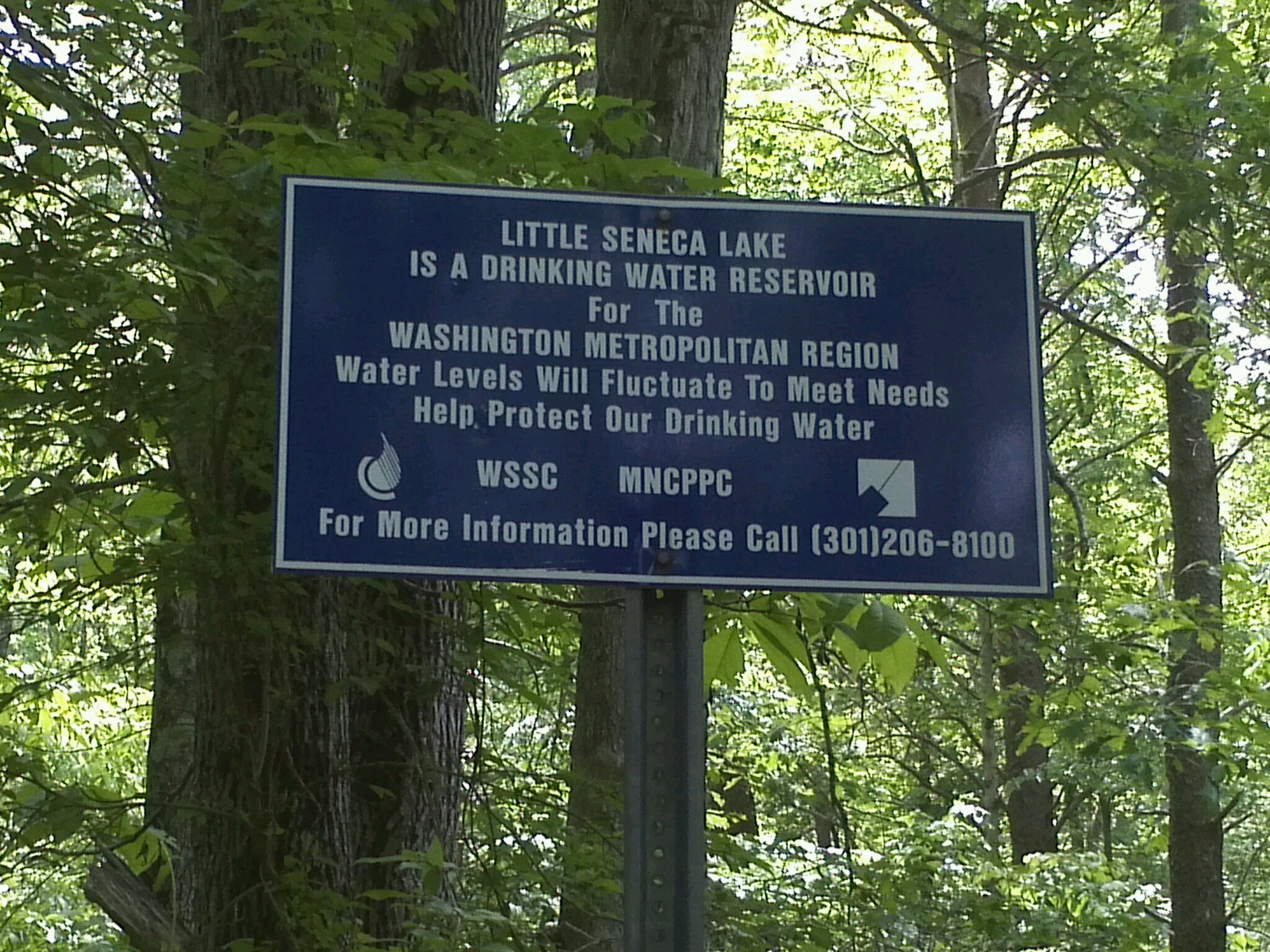
ACTION ALERT!! SPEAK UP FOR THE FORESTS, STREAMS, AND CLEAN DRINKING WATER OF LITTLE SENECA RESERVOIR
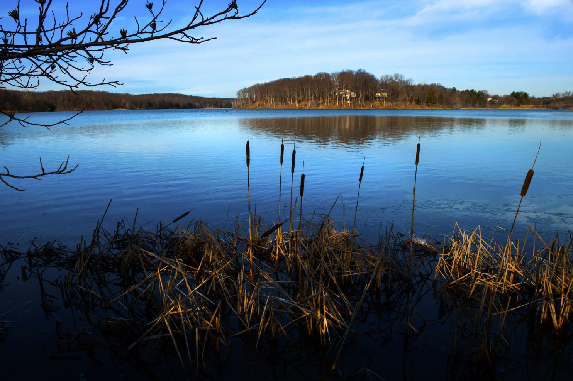
A hearing on the Clarksburg Gateway Sector Plan is coming before the County Council on January 21, and we need your voice to help protect the Little Seneca Lake Reservoir.
The Montgomery County Council’s public hearing on the Clarksburg Gateway Sector Plan will be held on Wednesday evening, 7:00 pm, at Rocky Hill Middle School in Clarksburg. You can sign up to testify either in-person or virtually, and/or you can submit a written testimony on the draft plan. Written testimony can be submitted up to the day of the hearing, and it will be added to the record and posted online. Here is the link for the Planning Board Draft of the plan that was sent to the Council.
WHAT THE FOCUS IS FOR FRIENDS OF TEN MILE CREEK & LITTLE SENECA RESERVOIR
The mission of The Friends of Ten Mile Creek & Little Seneca Reservoir (FoTMC) is “…to serve as guardians of Ten Mile Creek and its watershed, preserving and protecting this unique place and to protect the water quality of Little Seneca Reservoir as a regional water supply and recreational resource.”
The largest tributary that feeds into Little Seneca Lake Reservoir is Little Seneca Creek, which flows through the sector plan area and into the Reservoir. The developments proposed in the Clarksburg Gateway Sector Plan will have an impact on Little Seneca Lake Reservoir, the region’s back-up drinking water supply during droughts. To ensure that the Reservoir remains a clean drinking water supply, as well as a high quality recreational and waterfowl resource, the Sector Plan must preserve the remaining forests, limit the extent of development, and utilize existing roads. These actions are key to protecting water quality and the health of streams in the Sector Plan that flow to the Little Seneca Reservoir.
THE HEALTH OF STREAMS IN THE CLARKSBURG SPECIAL PROTECTION AREA HAS BEEN DECLINING
The Clarksburg Gateway Sector Plan lies within the Clarksburg Special Protection Area (SPA), whose mandate is “to protect and maintain high-quality or sensitive water resources.” However, the condition of the streams in the Clarksburg SPA has been in decline since 1998 due to intensive development within the Clarksburg SPA. Pre-development (1994-1998), all the streams in the Clarksburg Special Protection Area were rated ‘good’ and ‘excellent.’ But the most recent data show that stream condition ratings are now listed in ‘good,’ ‘fair,’ and ‘poor’ condition. None are rated excellent.
The following are some key points to include in your written or oral testimony:
HERE ARE KEY OVERALL CLARKSBURG SECTOR PLAN GOALS WE RECOMMEND
Protect the health of the Little Seneca Reservoir by protecting Little Seneca Creek, which is the largest tributary feeding into Little Seneca Lake Reservoir.
Safeguard the water quality of the two tributaries that originate in the Sector Plan area and that flow into Little Seneca Creek.
Conserve the remaining 285 acres of forest occurring within the 969-acre sector plan boundary
Avoid the construction of new roadways through forests, parks, streams, stream valleys, and wetlands
Limit development on the 200-acre historic COMSAT building site,
Preserve additional land through parkland dedication and conservation easements.
HERE ARE SPECIFIC ACTIONS THAT WILL ACHIEVE OUR RECOMMENDED SECTOR PLAN GOALS
Preserve the state-designated Priority Urban Forest areas throughout the sector plan, and particularly on the 200-acre COMSAT property where development pressure is greatest.
Do not build the northern extension of Observation Drive across Little Seneca Creek. This road extension would cut through and destroy upland Priority Urban Forests, cross floodplains, traverse wetlands and steep slopes, and sever the greenway park – all of which would seriously degrade the mainstream of Little Seneca Creek.
Remove the I-270 Interchange from the plan due to its destructive impacts to forests, wetlands, and streams. Also, an I-270 Interchange is not in keeping with the vision of compact and walkable communities.
Use the existing roads on the COMSAT campus to provide north-south connectivity for Gateway Center Drive. This will avoid the environmentally damaging impact to the forested areas.
Rather than extending Little Seneca Parkway through forests and wetlands, utilize the existing West Old Baltimore Rd that already provides east-west connectivity. West Old Baltimore Road is wide enough to add bus stops and a shared-use path for pedestrians and bicyclists, and it can be further widened.
Expand parkland and conservation easements along all waterways in the sector plan area to enlarge the stream buffers and protect water quality. Given the rapid development in the Clarksburg area, greater stream and forest protection is critical to protect the streams and to safeguard ecological and human health.
Require a minimum 200-foot building setback from I-270, including a minimum 50-foot native tree buffer. Based on numerous studies that show harmful effects of air pollution at much greater distances, the setback could be even larger.
The Sector Plan does not recommend preservation of the COMSAT building; hence the 200-acre COMSAT property is likely to be developed. The best way to avoid and minimize damaging impacts to the forests, streams, and treed landscape is to limit development on the property to the open areas, capped to the extent that the development can be supported with existing roads into and out of the Sector Plan area.
CONCLUSION
You cannot expect to relieve traffic congestion and have a healthy environment if unrestrained growth in new housing and road building continues. We support an approach that scales back housing growth, prioritizes the preservation of the environment, and focuses on public transportation.